Main Article
Effective Listening: Why Listening First Transforms Communication
BCCP News
Development of New Graphic Health Warning Labels for Tobacco Products in Bangladesh
A study, “Assessment of Health Warning Label Messages on Tobacco Products Sold in Bangladesh,” is being implemented in Bangladesh by the Bangladesh Center for Communication Programs (BCCP) in collaboration with the Johns Hopkins Bloomberg School of Public Health, Baltimore, USA. The study aims to develop and test a new set of pictorial graphic health warning labels for both smoking and smokeless tobacco products. It addresses concerns that the current warning labels, last updated in 2016, may no longer be as effective due to lack of content revision and inconsistent rotation.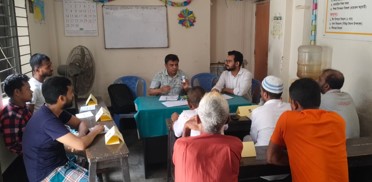 In the first phase of the study, eight Focus Group Discussions (FGDs) were conducted with youth and adult tobacco users to explore perceptions of current warning labels and guide the development of 16 new Health Warning Label (HWL) designs. Prior to field implementation, a day-long training session was organized for the research team and facilitators to familiarize them with the study objectives, data collection procedures, and ethical considerations, ensuring the quality and consistency of the FGDs. The findings of the FGDs will be shared with in-country BI partners and Tobacco Control experts to develop a new set of HWL designs. In a second phase, the study will assess recall and effectiveness of both existing and new warning labels across four urban districts in Bangladesh.
The findings of the study will be presented to the National Tobacco Control Cell (NTCC) for consideration for national-level implementation, which will lead to better tobacco control policies and increased awareness of tobacco-related health risks.
In the first phase of the study, eight Focus Group Discussions (FGDs) were conducted with youth and adult tobacco users to explore perceptions of current warning labels and guide the development of 16 new Health Warning Label (HWL) designs. Prior to field implementation, a day-long training session was organized for the research team and facilitators to familiarize them with the study objectives, data collection procedures, and ethical considerations, ensuring the quality and consistency of the FGDs. The findings of the FGDs will be shared with in-country BI partners and Tobacco Control experts to develop a new set of HWL designs. In a second phase, the study will assess recall and effectiveness of both existing and new warning labels across four urban districts in Bangladesh.
The findings of the study will be presented to the National Tobacco Control Cell (NTCC) for consideration for national-level implementation, which will lead to better tobacco control policies and increased awareness of tobacco-related health risks.
BCCP Engages Communities to Build a Climate-Resilient Future
Strengthening climate resilience begins with informed and engaged communities. With this vision, the Bangladesh Center for Communication Programs (BCCP), in partnership with UN Women Bangladesh, implemented a series of community outreach initiatives across 10 climate-vulnerable upazilas to promote awareness of gender equality, climate change, and sustainable adaptation.
The interventions were carried out in Dacope, Koyra, Kaliganj, Shyamnagar, Islampur, Dewanganj, Kurigram Sadar, Chilmari, Teknaf, and Chakaria through a combination of Gender and Climate Change Fairs, inter-school debate competitions, AV Van shows, Pot Song performances, and courtyard meetings.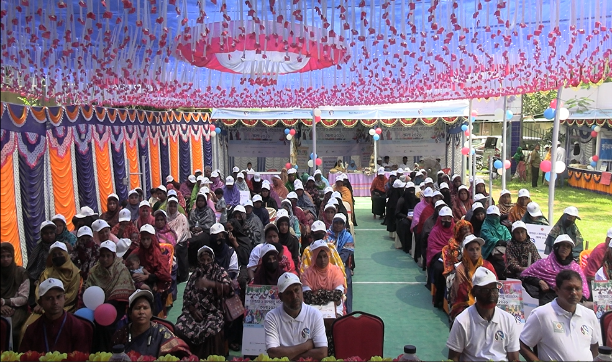 A total of 5 Gender and Climate Change Fairs brought together Upazila Parishad officials, representatives from different ministries, local NGOs, civil society members, community leaders, women entrepreneurs, and residents. The fairs highlighted the disproportionate impact of climate change on women, girls, and gender-diverse groups while encouraging collective action for climate adaptation and mitigation.
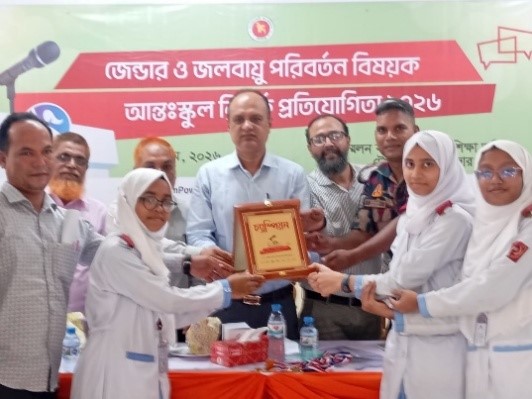 To engage young people, BCCP organized 10 inter-school debate competitions, involving 40 high schools and around 1,000 students. The events stimulated discussion among students on gender equality and climate change, creating enthusiasm and awareness within local communities.
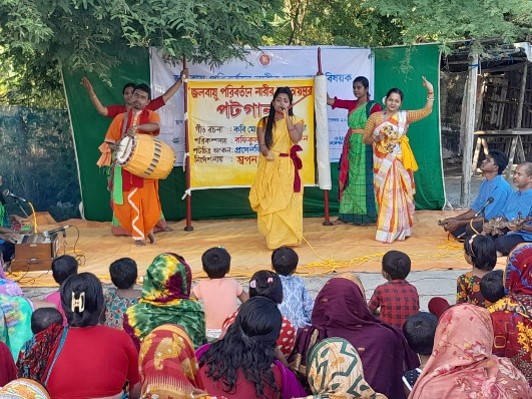 As part of its strategic communication approach, BCCP also organized 30 AV Van shows, using audio-visual presentations to deliver key messages in an engaging and accessible format. In addition, 20 live Pot Song performances reached nearly 8,000 people, combining traditional storytelling with messages on gender and climate resilience for community members, students, local leaders, media representatives, and civil society organizations.
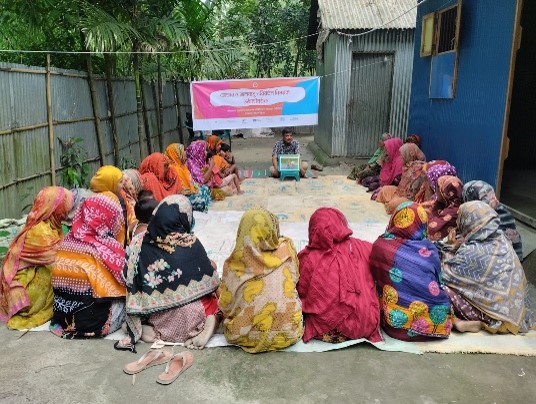 At the grassroots level, 60 courtyard meetings provided a platform particularly for women and girls to discuss gender equality, climate risks, the right to a clean, healthy, and sustainable environment, alternative livelihood opportunities, and available support services. The interactive discussions strengthened participants' understanding of climate impacts and equipped them with practical knowledge to better adapt to future climate-related challenges.
Through these community-centered initiatives, BCCP successfully generated widespread public engagement and strengthened awareness among women, adolescents, marginalized gender-diverse groups, and other local stakeholders, reaffirming its commitment to building a more inclusive and climate-resilient Bangladesh through strategic communication.
At the grassroots level, 60 courtyard meetings provided a platform particularly for women and girls to discuss gender equality, climate risks, the right to a clean, healthy, and sustainable environment, alternative livelihood opportunities, and available support services. The interactive discussions strengthened participants' understanding of climate impacts and equipped them with practical knowledge to better adapt to future climate-related challenges.
Through these community-centered initiatives, BCCP successfully generated widespread public engagement and strengthened awareness among women, adolescents, marginalized gender-diverse groups, and other local stakeholders, reaffirming its commitment to building a more inclusive and climate-resilient Bangladesh through strategic communication.
What a wonderful week at the 2026 International Social and Behavior Change Communication Summit!
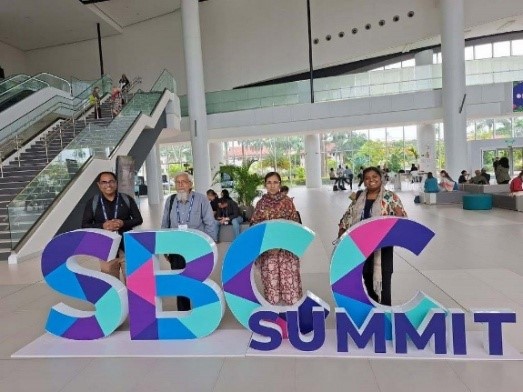 A three-member team from BCCP participated in the 2026 International Social and Behavior Change Communication Summit, held in Panama City, Panama, from June 21 to 26, 2026. The team showcased how BCCP's projects on Digitizing Implementation Monitoring and Public Procurement and the Tobacco Control Research Grant Program contribute to generating evidence for Social and Behavior Change (SBC).
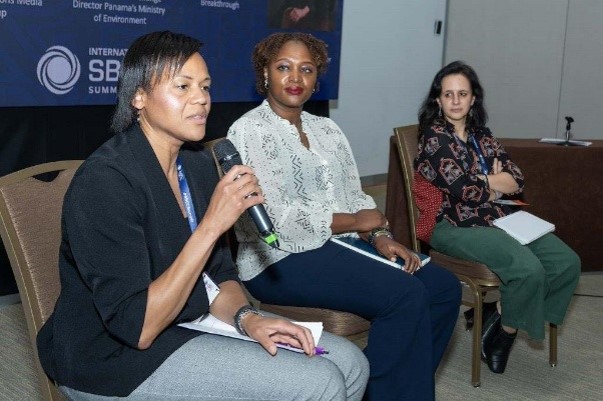 Over the six days in Panama City, delegates from 124 countries came together, creating a vibrant and collaborative global community. Participants shared their research, best practices, lessons learned from challenges and failures, lived experiences, questions, and innovative ideas related to SBC. They challenged assumptions, sparked meaningful conversations, and built professional connections that will continue well beyond the summit. Together, participants explored the opportunities and challenges shaping the future of Social and Behavior Change, including trust, shared leadership, storytelling, sustainable financing, artificial intelligence, and implementation science. Throughout the summit, they reinforced the idea that the strength of this field lies not only in evidence and innovation but also in relationships, collaboration, and a shared willingness to learn from one another.
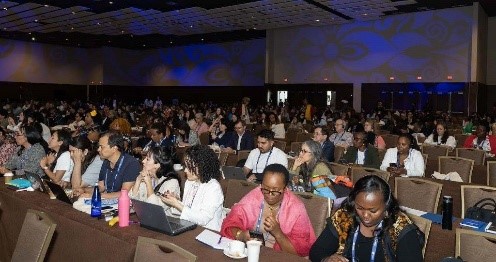 The most important lesson from the summit was that community members themselves know best what works for them and what they need. Therefore, development practitioners should trust communities and meaningfully incorporate their knowledge, perspectives, and lived experiences into decision-making.
The summit was a truly global gathering that inspired collaboration, strengthened professional networks, and helped shape the future direction of the Social and Behavior Change field.
The most important lesson from the summit was that community members themselves know best what works for them and what they need. Therefore, development practitioners should trust communities and meaningfully incorporate their knowledge, perspectives, and lived experiences into decision-making.
The summit was a truly global gathering that inspired collaboration, strengthened professional networks, and helped shape the future direction of the Social and Behavior Change field.
Generating Local Evidence and Building Capacity through Tobacco Control Policy Research Grant Program
The Bangladesh Center for Communication Programs (BCCP), with technical support from the Institute of Global Tobacco Control (IGTC) at Johns Hopkings School of Public Health, Baltimore, USA, has been implementing the Tobacco Control Policy Research Grant Program for the past 14 years to generate evidence for strengthening tobacco control policies and practices in Bangladesh. Under the 2026 grant cycle, seven researchers were offered the research grants- two from the Researcher Category and 5 from the Student Category.
A key feature of the program is its comprehensive mentorship approach, which is designed to strengthen the research capacity of grantees through continuous technical guidance and support throughout the entire research process. As a part of its capacity-building efforts, BCCP organized a “Proposal Review Workshop” to support the grantees in refining their research proposals based on reviewers' feedback. BCCP also conducted a two-day online mentoring workshop on “Research Methods, Procedure and Data Collection,” providing grantees with technical guidance to refine their data collection tools before field implementation. In addition, the BCCP research team provided rigorous technical support to ensure that all expert feedback was appropriately incorporated into the study protocols and research tools. The team also supported the planning and facilitation of enumerator training to be organized by the research grantees to ensure high-quality data collection and adherence to established research standards.
Building the Capacity of Government Officials Through ToT on Community Engagement, SBC and IPC
The Bangladesh Center for Communication Programs (BCCP), with technical support from UNICEF Bangladesh, has completed three batches of Training of Trainers (ToT) on Community Engagement (CE), Social and Behaviour Change (SBC), and Interpersonal Communication (IPC) for government officials from the Ministry of Women and Children Affairs (MoWCA) and the Ministry of Primary and Mass Education (MoPME).
The initiative supports UNICEF Bangladesh's SBC Capacity Building Strategy (2024–2028), which seeks to strengthen institutional capacity for evidence-informed programming, behavioural science, meaningful community engagement, and quality SBC implementation across government systems and development partners.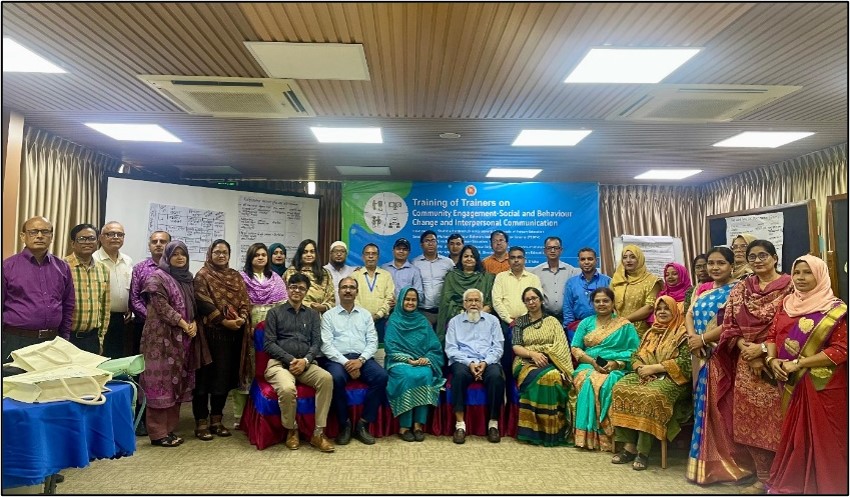 To support this, BCCP developed two specialized ToT modules, one for Child Rights Officers (CROs) under MoWCA and another for officials of the Directorate of Primary Education (DPE). The modules were designed to strengthen participants' technical knowledge, facilitation skills, and practical competencies to design, implement, monitor, and adapt SBC interventions.
The three training batches were held in Dhaka between April and June 2026. The first and second batches took place on 19 to 21 April at Bangladesh Shishu Academy, while the third was held on 11 to 14 June at Hotel Lake Castle. Altogether, 89 participants, including 32 women from 58 districts, completed the programme. Participants included Child Rights Officers, Head Teachers, Assistant Teachers, Upazila Assistant Primary Education Officers, Education Officers, and senior officials from the Directorate of Primary Education.
The training strengthened participants' understanding of UNICEF's SBC Capacity Building Strategy and enhanced their competencies in Community Engagement, Social and Behaviour Change, and Interpersonal Communication. Participants also developed skills in behavioural science, evidence use, facilitation, and modern adult learning approaches to support high-quality cascade training within their respective institutions.
Using participatory adult learning methods, experienced BCCP facilitators led sessions on SBC theories and approaches, Core Standards of Community Engagement, participation and inclusion, two-way communication, interpersonal communication and counselling skills, localization, local resource mobilization, effective use of SBC materials, facilitation techniques, and modern training methods. Group work, practical exercises, facilitation practice, and action planning enabled participants to translate learning into their day-to-day responsibilities. Standardized training materials and facilitator guides were also provided to support future cascade training.
To support this, BCCP developed two specialized ToT modules, one for Child Rights Officers (CROs) under MoWCA and another for officials of the Directorate of Primary Education (DPE). The modules were designed to strengthen participants' technical knowledge, facilitation skills, and practical competencies to design, implement, monitor, and adapt SBC interventions.
The three training batches were held in Dhaka between April and June 2026. The first and second batches took place on 19 to 21 April at Bangladesh Shishu Academy, while the third was held on 11 to 14 June at Hotel Lake Castle. Altogether, 89 participants, including 32 women from 58 districts, completed the programme. Participants included Child Rights Officers, Head Teachers, Assistant Teachers, Upazila Assistant Primary Education Officers, Education Officers, and senior officials from the Directorate of Primary Education.
The training strengthened participants' understanding of UNICEF's SBC Capacity Building Strategy and enhanced their competencies in Community Engagement, Social and Behaviour Change, and Interpersonal Communication. Participants also developed skills in behavioural science, evidence use, facilitation, and modern adult learning approaches to support high-quality cascade training within their respective institutions.
Using participatory adult learning methods, experienced BCCP facilitators led sessions on SBC theories and approaches, Core Standards of Community Engagement, participation and inclusion, two-way communication, interpersonal communication and counselling skills, localization, local resource mobilization, effective use of SBC materials, facilitation techniques, and modern training methods. Group work, practical exercises, facilitation practice, and action planning enabled participants to translate learning into their day-to-day responsibilities. Standardized training materials and facilitator guides were also provided to support future cascade training.
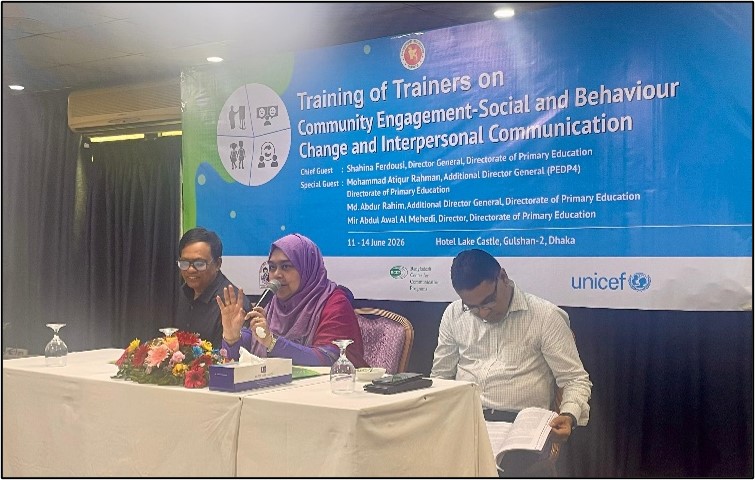 The programme received strong support from senior government officials. Dr. Shamima Nasrin, Joint Secretary and Project Director of the PVHP Project under MoWCA, attended the inaugural session of the first batch. The third batch was attended by Ms. Shahina Ferdousi, Director General of DPE, along with Mohammad Atiqur Rahaman, Additional Director General (PEDP4), Mr. Md. Abdur Rahim, Additional Director General, and Mir Abdul Awwal Al Mehedi, Director (Policy and Operation Division). They appreciated UNICEF's continued partnership with the Government of Bangladesh in strengthening child-focused services through institutional capacity development.
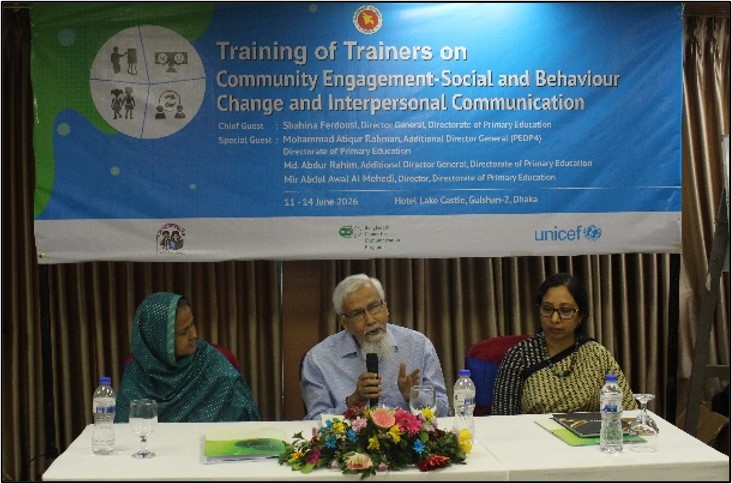 Throughout the programme, Mr. Mohammad Shahjahan, Director and CEO of BCCP, encouraged participants to apply their knowledge to improve community well-being, emphasizing that effective communication is fundamental to meaningful community engagement and sustainable behaviour change.
UNICEF Bangladesh officials also actively participated in the programme. Ms. Tania Sultana, SBC Specialist, highlighted the importance of institutionalizing Community Engagement, SBC, and IPC across government systems. Ms. Sataria Jannat, Social and Behaviour Change Officer, Mr. Md. Tanvirul Islam, Education Officer, and Ms. Iffat Farhana, Education Officer, also joined different training sessions.
Each batch concluded with a certificate award ceremony and participant reflections. Participants praised the practical, interactive learning approach and emphasized its relevance to their professional responsibilities. They also recommended organizing refresher and residential training programmes to reinforce learning and strengthen peer exchange.
Throughout the programme, Mr. Mohammad Shahjahan, Director and CEO of BCCP, encouraged participants to apply their knowledge to improve community well-being, emphasizing that effective communication is fundamental to meaningful community engagement and sustainable behaviour change.
UNICEF Bangladesh officials also actively participated in the programme. Ms. Tania Sultana, SBC Specialist, highlighted the importance of institutionalizing Community Engagement, SBC, and IPC across government systems. Ms. Sataria Jannat, Social and Behaviour Change Officer, Mr. Md. Tanvirul Islam, Education Officer, and Ms. Iffat Farhana, Education Officer, also joined different training sessions.
Each batch concluded with a certificate award ceremony and participant reflections. Participants praised the practical, interactive learning approach and emphasized its relevance to their professional responsibilities. They also recommended organizing refresher and residential training programmes to reinforce learning and strengthen peer exchange.
Bangladesh’s Resilience Challenge: Systems Are Expanding, but Gender Inequality Determines Who Benefits
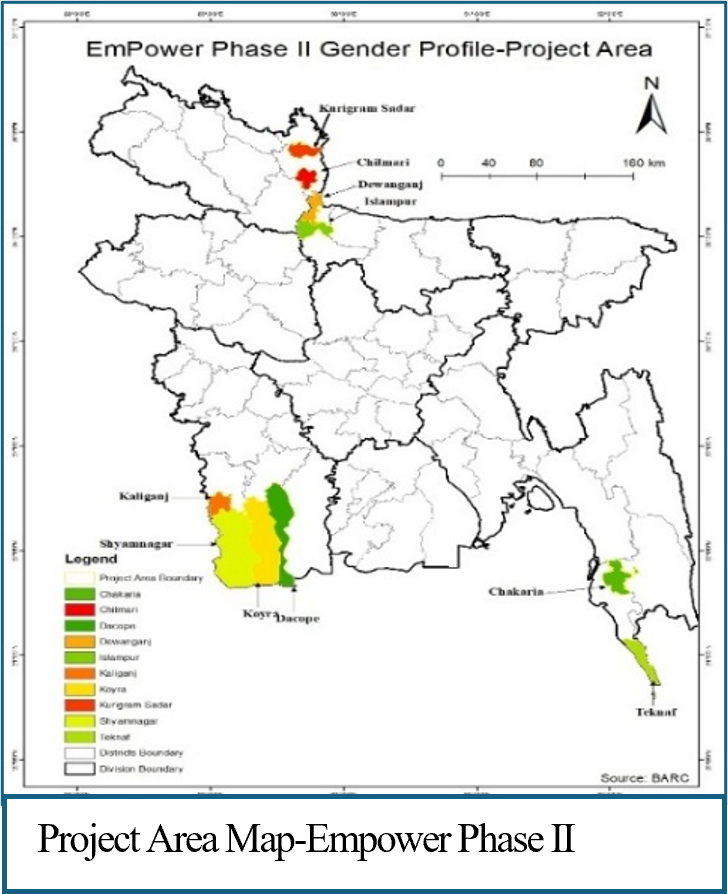 The EmPower program promoted gender-transformative approaches by expanding women’s access to finance, technology, livelihoods, and decision-making in climate-vulnerable areas. Implemented by UN Women across 10 Upazilas in Cox’s Bazar, Khulna, Jamalpur, Kurigram, and Satkhira, the Phase II gender profile assessed interventions against CCGAP priorities, including livelihoods, food security, health, social protection, disaster risk reduction, capacity building, and governance. Findings show that although Bangladesh has improved service delivery in health, education, WASH, electricity, and early warning systems, these gains are uneven. Women, marginalized groups, and climate-exposed households still face barriers to accessing and benefiting from them. The core challenge is not lack of systems, but unequal access, agency, and inclusion exacerbated further by climate shocks that deepen vulnerability and slow resilience.
 Climate Risk and Inequality Reinforce Each Other
 Findings indicate that vulnerability is driven by the intersection of gender inequality, climate exposure, and livelihood insecurity, with climate change amplifying existing social and economic disparities rather than acting alone. Women bear a disproportionate share of survival and adaptation responsibilities such as caregiving, food security, and household resilience while remaining excluded from key decision-making, financial resources, land ownership, and digital access. This creates a “high responsibility, low power” dynamic in which women contribute significantly to resilience but have limited control over the resources and choices that shape it.
 High Vulnerability Areas Face Repeated Shocks
Upazilas such as Teknaf, Dewanganj, Islampur, and Sadar represent high-vulnerability systems where climate exposure combines with weak human development conditions. These areas experience multiple challenges, including limited access to financial services for women, gaps in health and digital services, high numbers of young people outside education, employment, or training, and persistent social risks such as early marriage. The assessment identifies these locations as requiring urgent investment in gender-responsive resilience, stronger basic services, and opportunities that increase women’s economic and social empowerment.
High Vulnerability Areas Face Repeated Shocks
Upazilas such as Teknaf, Dewanganj, Islampur, and Sadar represent high-vulnerability systems where climate exposure combines with weak human development conditions. These areas experience multiple challenges, including limited access to financial services for women, gaps in health and digital services, high numbers of young people outside education, employment, or training, and persistent social risks such as early marriage. The assessment identifies these locations as requiring urgent investment in gender-responsive resilience, stronger basic services, and opportunities that increase women’s economic and social empowerment.
 Stronger Systems, but Unequal Participation
Other areas, including Shyamnagar, Koyra, and Chilmari, demonstrate a different pattern. These areas have comparatively stronger infrastructure and active engagement from development organizations. However, social inclusion remains a major challenge. Women continue to face barriers in accessing livelihoods, participating in governance structures, and benefiting from digital transformation. The analysis suggests that while institutional capacity exists; it is not yet translating into equal participation. These areas require a shift from infrastructure development toward inclusion-focused transformation.
Stronger Systems, but Unequal Participation
Other areas, including Shyamnagar, Koyra, and Chilmari, demonstrate a different pattern. These areas have comparatively stronger infrastructure and active engagement from development organizations. However, social inclusion remains a major challenge. Women continue to face barriers in accessing livelihoods, participating in governance structures, and benefiting from digital transformation. The analysis suggests that while institutional capacity exists; it is not yet translating into equal participation. These areas require a shift from infrastructure development toward inclusion-focused transformation.
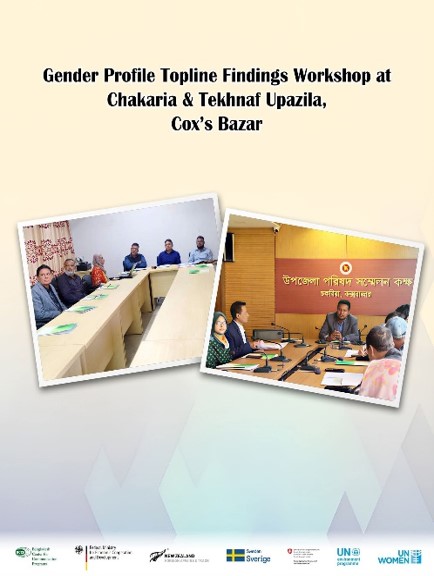 Development Gains Remain Fragile in Climate-Exposed Areas
Upazilas such as Chakaria and Kaliganj show relatively stronger literacy levels, service coverage, and institutional capacity. However, dependence on climate-sensitive livelihoods and continuing gender gaps in economic and digital access threaten long-term progress. The findings warn that development achievements can remain unstable when communities lack the resources and opportunities needed to adapt to changing conditions.
Development Gains Remain Fragile in Climate-Exposed Areas
Upazilas such as Chakaria and Kaliganj show relatively stronger literacy levels, service coverage, and institutional capacity. However, dependence on climate-sensitive livelihoods and continuing gender gaps in economic and digital access threaten long-term progress. The findings warn that development achievements can remain unstable when communities lack the resources and opportunities needed to adapt to changing conditions.
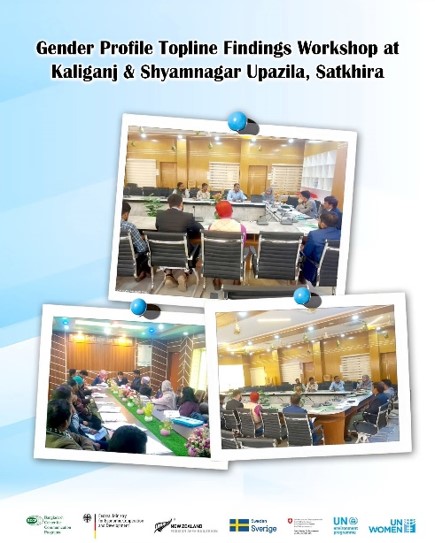 Women at the Center of Resilience, but Outside Decision-Making
Across all assessed areas, women emerge as key actors in managing household survival and adapting to climate pressures. They contribute to food management, caregiving, livelihood adjustments, and community coping strategies. Yet many remain excluded from formal systems that shape resilience, including finance, land ownership, technology, and leadership platforms. The assessment concludes that strengthening resilience requires more than expanding services. It requires ensuring that women and vulnerable groups have equal access, decision-making power, and opportunities to benefit from development investments.
A New Direction for Resilience Building
The overall message from the gender profile is clear: resilience The key challenge is not the absence of infrastructure, but unequal access and power. Across diverse climate-vulnerable contexts, systems are improving, yet social inequalities continue to shape who can benefit. Building resilience requires gender-transformative approaches that integrate climate adaptation, inclusive services, economic empowerment, and women’s participation in decision-making entitled that all communities have the opportunity and resources to thrive.
Women at the Center of Resilience, but Outside Decision-Making
Across all assessed areas, women emerge as key actors in managing household survival and adapting to climate pressures. They contribute to food management, caregiving, livelihood adjustments, and community coping strategies. Yet many remain excluded from formal systems that shape resilience, including finance, land ownership, technology, and leadership platforms. The assessment concludes that strengthening resilience requires more than expanding services. It requires ensuring that women and vulnerable groups have equal access, decision-making power, and opportunities to benefit from development investments.
A New Direction for Resilience Building
The overall message from the gender profile is clear: resilience The key challenge is not the absence of infrastructure, but unequal access and power. Across diverse climate-vulnerable contexts, systems are improving, yet social inequalities continue to shape who can benefit. Building resilience requires gender-transformative approaches that integrate climate adaptation, inclusive services, economic empowerment, and women’s participation in decision-making entitled that all communities have the opportunity and resources to thrive.
Research Findings Dissemination Conference 2026: Evidence for Strengthening Tobacco Control Policy and Enforcement in Bangladesh
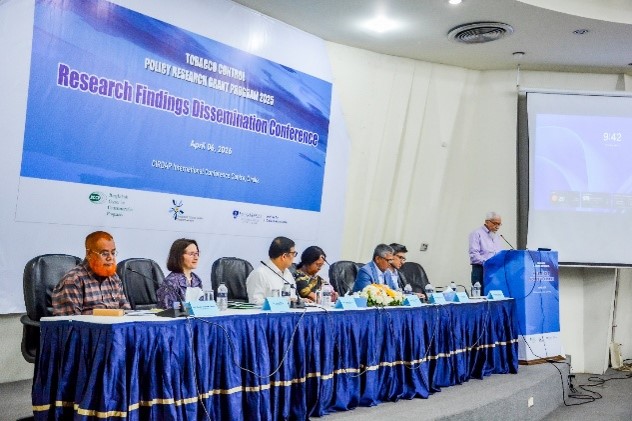 The Bangladesh Center for Communication Programs (BCCP) has marked 13 years of advancing tobacco control in Bangladesh through the Tobacco Control Policy Research Grant Program, which regularly reflects its achievements through its annual Research Findings Dissemination Conference. BCCP and the Bangladesh Tobacco Control Research Network (BTCRN) in collaboration with the Institute for Global Tobacco Control (IGTC), Baltimore, USA, organized the Research Findings Dissemination Conference today at the CIRDAP International Conference Center in Dhaka. The findings of seven studies conducted under the 2025 program, along with selected in-country studies, were presented at the Conference.
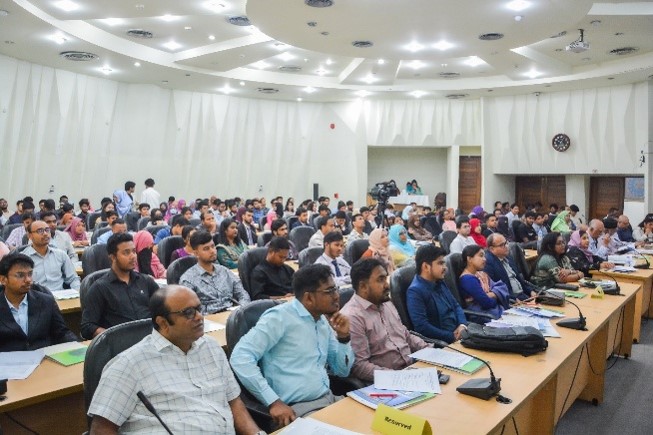 Findings of these studies highlight persistent gaps in the implementation of existing tobacco control laws, despite high public awareness and strong support for tobacco-free environments. One study revealed that widespread violations of smoke-free laws continue in public places such as railway stations and trains, driven by minimal enforcement, unclear authority among responsible officials, and structural limitations in the current legal framework, including weak monitoring mechanism. At the same time, another study found that tobacco depiction on OTT platforms often lack proper health warnings levels highlights the absence of enforceable standards for emerging media, contributing to the normalization of tobacco use, particularly among young people. This broader pattern of weak regulation is also evident in educational institutions, where easy access to tobacco products, including single-stick sales, close proximity of tobacco outlets, and promotional practices, persist despite existing restrictions, reinforcing affordability and influencing student smoking behavior.
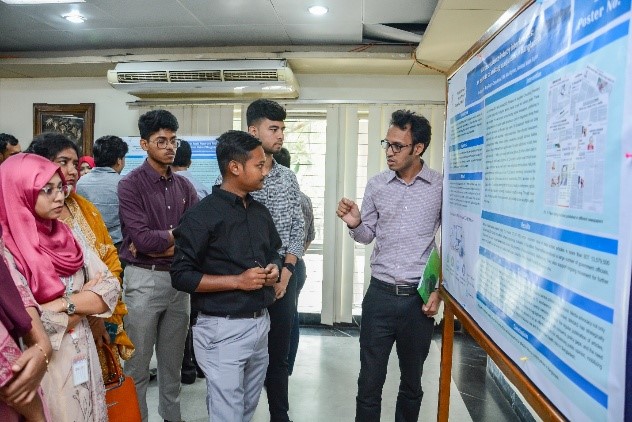 Moreover, the smokeless tobacco sector remains largely unregulated, with informal production, weak licensing systems, and fragmented oversight across the supply chain, alongside limited monitoring beyond the retail level. These systemic gaps are further reflected in the rise of e-cigarettes, which remain accessible through informal and illicit channels despite existing restrictions, and are promoted on digital platforms. Another study indicates that most young users perceive social media as a key driver of e-cigarette use, while marketing strategies, peer influence, and the perception of vaping as modern and less harmful continue to drive uptake among youth.
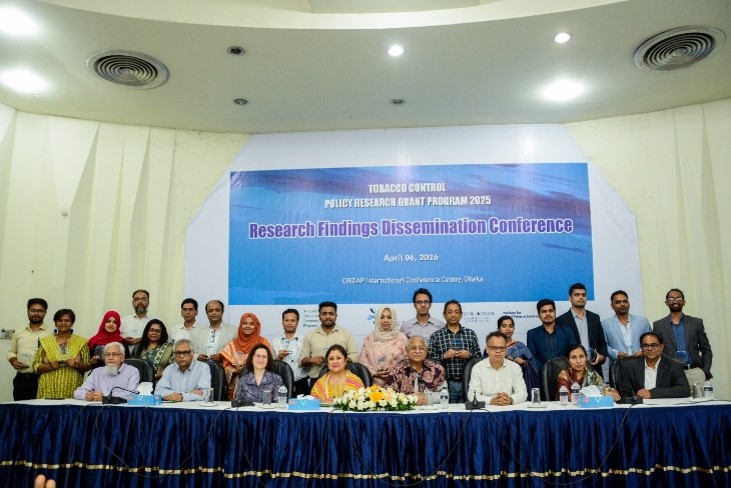 Ms. Sheikh Momena Moni, Additional Secretary (WH Wing), Health Services Division, Ministry of Health and Family Welfare, graced the occasion as the chief guest during the opening session of the conference. While Mr. Md. Akhteruzzaman, Director General (Joint Secretary), National Tobacco Control Cell was present in the closing session as the chief guest. The opening program was chaired by Prof. Dr. Mohammad Shorif Uddin, Vice Chancellor, Green University while the closing program was chaired by Dr. Nawzia Yasmin, President, BTCRN.
The conference also welcomed other distinguished guests of honor, including Prof. Dr. Syed Zakir Hossain, NCDC, DGHS; Dr. Rajesh Narwal, Deputy WHO Representative to Bangladesh; Dr. Joanna Cohen, Director, Institute for Global Tobacco Control; Bloomberg Initiative Partner Representatives; and Mr. Mohammad Shahjahan, Director and CEO, BCCP. Around 250 participants from relevant Government ministries and departments, universities, BI partners and grantees and some reputed journalists and reporters from the media agencies attended the event.
BCCP remains committed to supporting evidence-based policymaking and fostering multi-stakeholder collaboration to ensure that laws are not only well-designed but also effectively implemented, moving Bangladesh closer to a truly tobacco-free future.
Ms. Sheikh Momena Moni, Additional Secretary (WH Wing), Health Services Division, Ministry of Health and Family Welfare, graced the occasion as the chief guest during the opening session of the conference. While Mr. Md. Akhteruzzaman, Director General (Joint Secretary), National Tobacco Control Cell was present in the closing session as the chief guest. The opening program was chaired by Prof. Dr. Mohammad Shorif Uddin, Vice Chancellor, Green University while the closing program was chaired by Dr. Nawzia Yasmin, President, BTCRN.
The conference also welcomed other distinguished guests of honor, including Prof. Dr. Syed Zakir Hossain, NCDC, DGHS; Dr. Rajesh Narwal, Deputy WHO Representative to Bangladesh; Dr. Joanna Cohen, Director, Institute for Global Tobacco Control; Bloomberg Initiative Partner Representatives; and Mr. Mohammad Shahjahan, Director and CEO, BCCP. Around 250 participants from relevant Government ministries and departments, universities, BI partners and grantees and some reputed journalists and reporters from the media agencies attended the event.
BCCP remains committed to supporting evidence-based policymaking and fostering multi-stakeholder collaboration to ensure that laws are not only well-designed but also effectively implemented, moving Bangladesh closer to a truly tobacco-free future.
Strengthening Citizen-Centered Accountability in Bangladesh: Findings from Mapping Social Accountability and AAP Mechanisms
Accountability is essential for effective governance, quality public service delivery, and responsive humanitarian action. Bangladesh has established various Social Accountability (SA) and Accountability to Affected People (AAP) mechanisms, including grievance redress systems, citizen charters, complaint channels, hotlines, Ward Shavas, open budget sessions, community committees, and digital platforms. These mechanisms aim to promote transparency, participation, and responsiveness. However, significant gaps remain between the availability of these systems and their actual use, particularly among women, persons with disabilities, disaster-affected communities, and other marginalized groups.
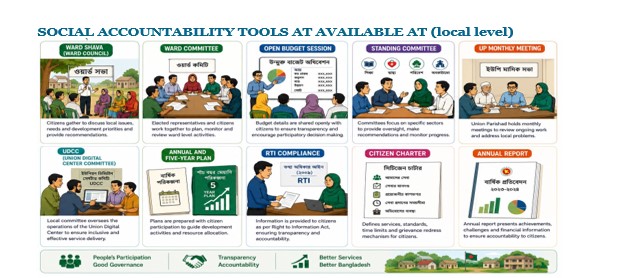
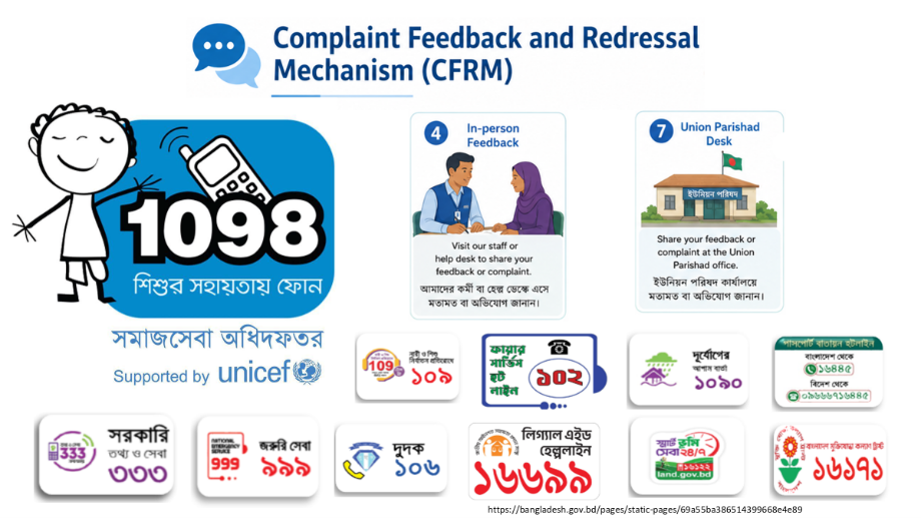 Lack of knowledge highest among slum residents (51.9%), women (43.4%), and older populations 50–59 yrs (69.4%). People are relatively more aware about age and status-based allowances (Old age, disability, and freedom fighter benefits are most recognized, Likely due to strong historical, social, or political emphasis), and Rights based & social development programs are less known- Programs addressing abuse, education, and maternal care lag behind (Suggests a gap in communication or outreach). Men use institutional sources more: govt. office (62.4%) vs women 47.9%)
Key barriers include fragmented accountability systems, limited coordination, inadequate resources, weak monitoring, low awareness, complex procedures, digital exclusion, and limited trust in institutional responses. Vulnerable groups face additional challenges due to social barriers, accessibility constraints, distance from services, and concerns about participation and confidentiality. Community perspectives highlight that trust and responsiveness determine whether accountability mechanisms are used. Citizens often prefer direct engagement with local service providers and community leaders because formal channels are perceived as difficult to access or ineffective. Women, persons with disabilities, and remote communities experience greater barriers in participating and receiving responses.
The mapping emphasizes the need to shift from compliance-based grievance systems to inclusive, responsive, and citizen-centered accountability approaches. Priority actions include establishing common accountability standards, strengthening coordination, improving complaint tracking and feedback closure, expanding accessible channels, ensuring protection-sensitive reporting, and building the capacity of frontline institutions and communities. Bangladesh contributes important foundations for accountability; however, strengthening these systems requires ensuring that citizens are not only able to raise their voices but also receive timely responses and see their feedback contribute to improved services. A stronger accountability culture can enhance public trust, improve governance, and support more inclusive development and humanitarian outcomes.
Lack of knowledge highest among slum residents (51.9%), women (43.4%), and older populations 50–59 yrs (69.4%). People are relatively more aware about age and status-based allowances (Old age, disability, and freedom fighter benefits are most recognized, Likely due to strong historical, social, or political emphasis), and Rights based & social development programs are less known- Programs addressing abuse, education, and maternal care lag behind (Suggests a gap in communication or outreach). Men use institutional sources more: govt. office (62.4%) vs women 47.9%)
Key barriers include fragmented accountability systems, limited coordination, inadequate resources, weak monitoring, low awareness, complex procedures, digital exclusion, and limited trust in institutional responses. Vulnerable groups face additional challenges due to social barriers, accessibility constraints, distance from services, and concerns about participation and confidentiality. Community perspectives highlight that trust and responsiveness determine whether accountability mechanisms are used. Citizens often prefer direct engagement with local service providers and community leaders because formal channels are perceived as difficult to access or ineffective. Women, persons with disabilities, and remote communities experience greater barriers in participating and receiving responses.
The mapping emphasizes the need to shift from compliance-based grievance systems to inclusive, responsive, and citizen-centered accountability approaches. Priority actions include establishing common accountability standards, strengthening coordination, improving complaint tracking and feedback closure, expanding accessible channels, ensuring protection-sensitive reporting, and building the capacity of frontline institutions and communities. Bangladesh contributes important foundations for accountability; however, strengthening these systems requires ensuring that citizens are not only able to raise their voices but also receive timely responses and see their feedback contribute to improved services. A stronger accountability culture can enhance public trust, improve governance, and support more inclusive development and humanitarian outcomes.
Boosting Green Growth for Microenterprises
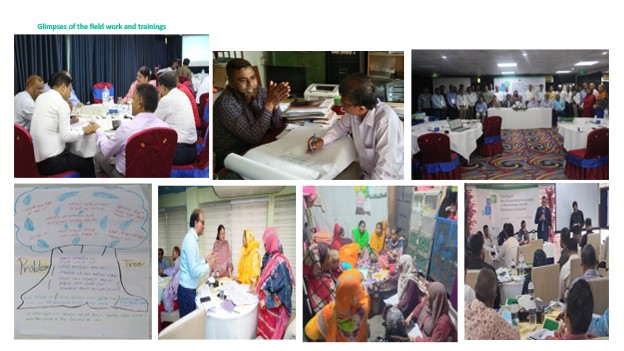
Microenterprises (MEs) are a vital part of Bangladesh’s economy, contributing around 25% to national GDP and generating approximately 56% of total employment. They play an especially important role in poverty reduction, rural livelihoods, and inclusive economic development. At the same time, the rapid growth of microenterprises has created environmental pressures, including unsustainable resource use, emissions, and pollution. Many MEs also face constraints in product diversification, value addition, access to modern technology, branding, and market expansion. These challenges limit their ability to differentiate products and reach larger markets.
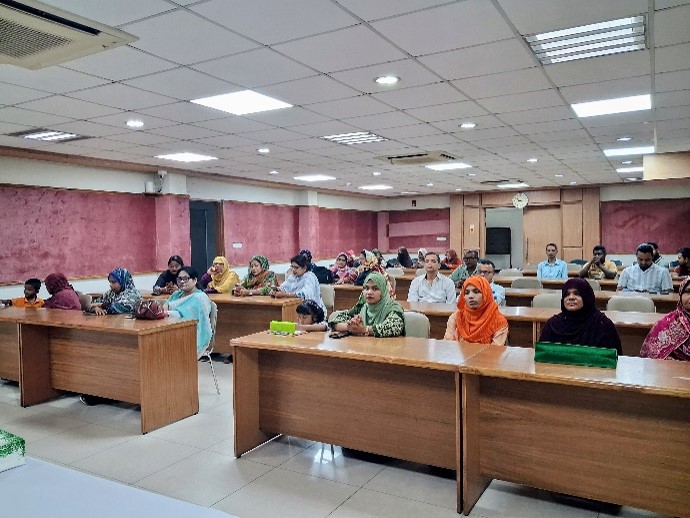 To address these needs, PKSF has launched the Sustainable Microenterprise and Resilient Transformation (SMART) Project. Funded by the World Bank and PKSF, the project is being implemented through a joint venture between Enroute International Ltd. and Bangladesh Center for Communication Programs (BCCP). The SMART Project aims to strengthen the market competitiveness of high-potential microenterprises across Bangladesh by promoting climate-resilient practices and providing strategic support in branding, marketing, certification, and business development.
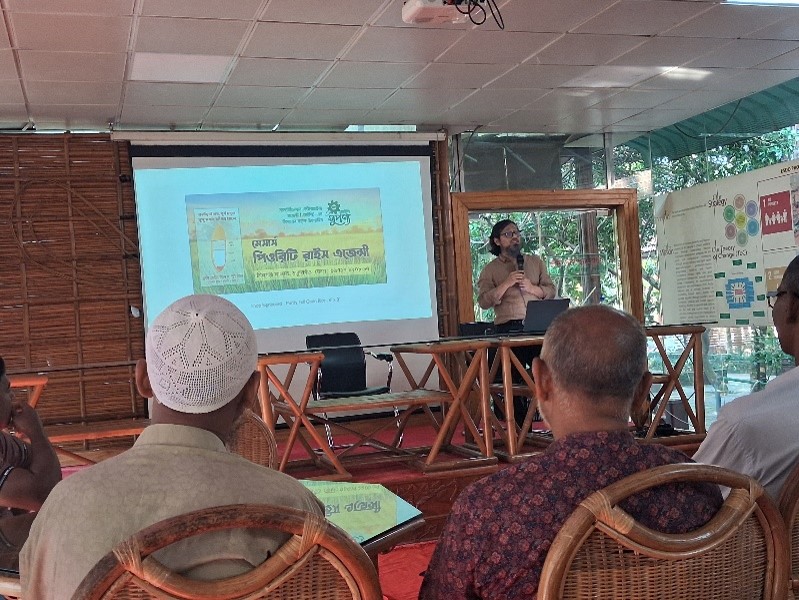 The project focuses on helping selected MEs build stronger, more competitive brands and expand their market reach through the following priorities:
- Conducting market studies to identify opportunities for growth and positioning.
- Developing distinct brand identities for products with strong market potential.
- Supporting product diversification, standardization, and eco-certification.
- Expanding access to existing, district-level, national, and export markets.
- Connecting MEs with wider audiences through e-commerce and other digital platforms.
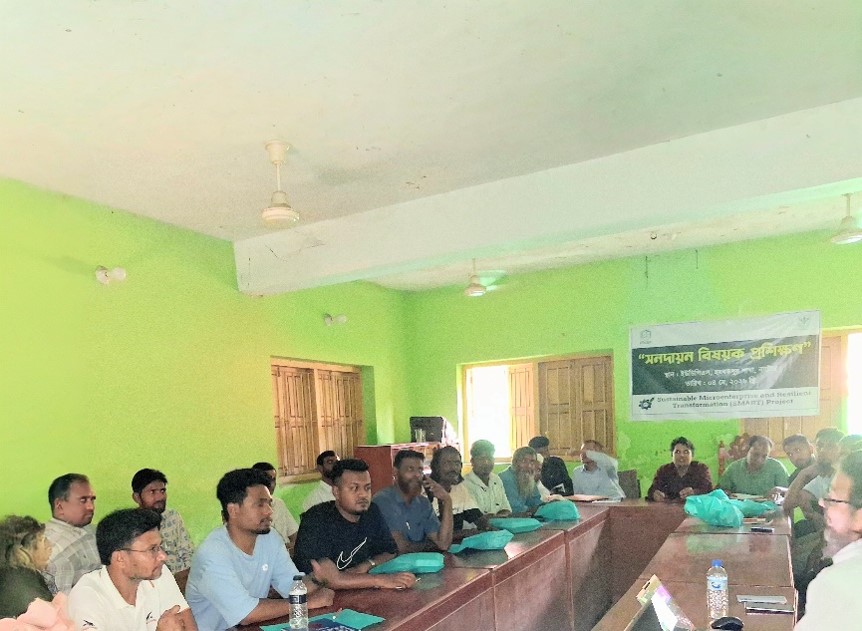 In parallel, qualitative consumer research was conducted to understand consumer perceptions, preferences, and purchasing behavior. The findings are being used to guide brand positioning and market communication strategies. In addition, more than 400 selected MEs have been oriented on the project’s objectives, branding concepts, and planned marketing activities.
The project has now entered its creative development phase. Creative briefs for selected product segments have been finalized, and the redesign and brand identity development process is currently underway. These efforts will lay the foundation for integrated branding and marketing campaigns that improve product visibility, strengthen market access, and create sustainable growth opportunities for participating in microenterprises. Through this approach, the SMART Project aims to equip MEs with the tools and strategies they need to thrive in a green and sustainable economy.
In parallel, qualitative consumer research was conducted to understand consumer perceptions, preferences, and purchasing behavior. The findings are being used to guide brand positioning and market communication strategies. In addition, more than 400 selected MEs have been oriented on the project’s objectives, branding concepts, and planned marketing activities.
The project has now entered its creative development phase. Creative briefs for selected product segments have been finalized, and the redesign and brand identity development process is currently underway. These efforts will lay the foundation for integrated branding and marketing campaigns that improve product visibility, strengthen market access, and create sustainable growth opportunities for participating in microenterprises. Through this approach, the SMART Project aims to equip MEs with the tools and strategies they need to thrive in a green and sustainable economy.
BCCP Supports Government Push for Gender-Responsive Climate Action
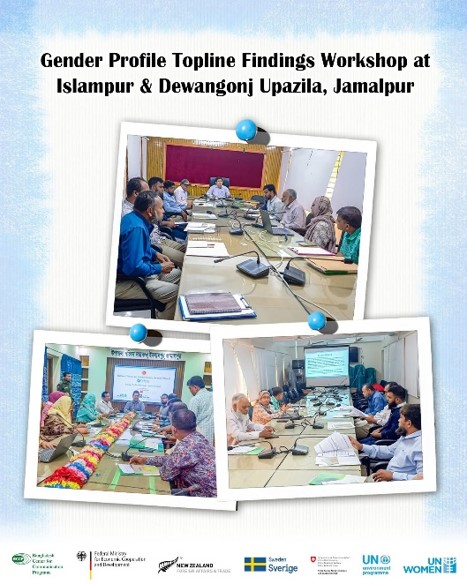
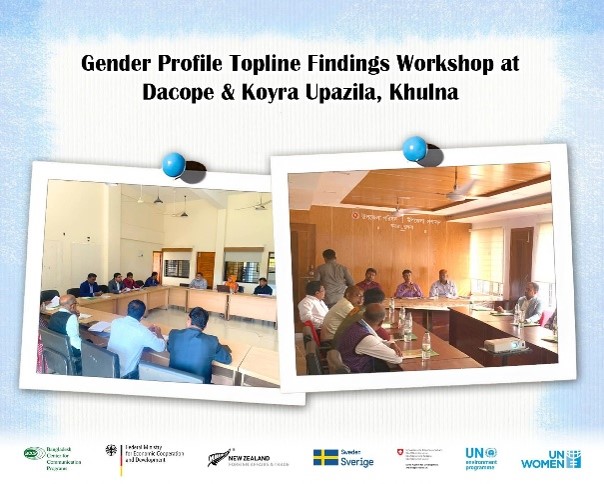
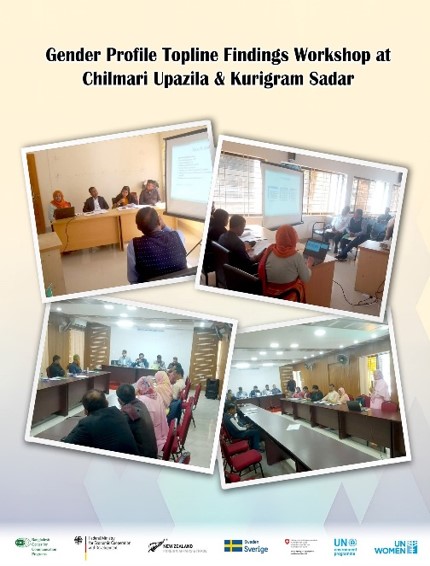
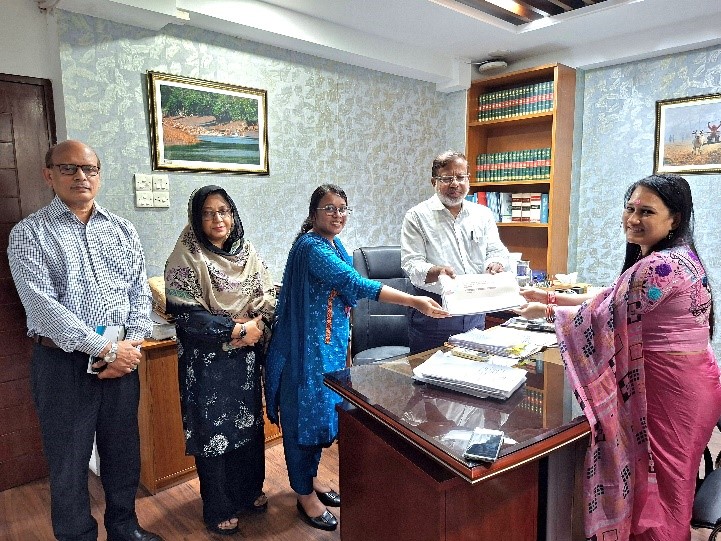 As a partner organization of UN Women, BCCP has been implementing the regional project titled “EmPower: Women for Climate-Resilient Societies (Phase II)”. The project aims to strengthen the institutional capacity of key government ministries and departments, including the Ministry of Women and Child Affairs (MoWCA) to integrate gender-responsive climate adaptation strategies aligned with the national priorities of the Government of Bangladesh. As part of this initiative, BCCP successfully organized two rounds of consultation workshops, sharing and validation workshops, and a dissemination workshop on the Gender Action Plan for Adaptation to Climate Change (GAPACC) with the ministries/division and respective departments, including the Ministry of Environment, Forest and Climate Change (MoEFCC), Ministry of Disaster Management and Relief (MoDMR), Ministry of Women and Children Affairs (MoWCA), Ministry of Water Resources (MoWR), Ministry of Agriculture (MoA), Ministry of Fisheries and Livestock (MoFL) and Local Government Division (LGD).
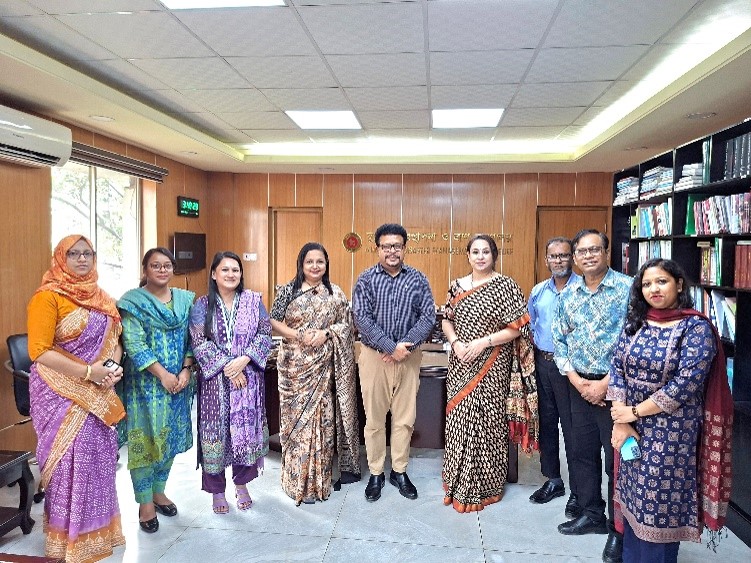 Following the incorporation of all the comments and recommendations received during the consultation and validation process, through a brief meeting we formally handed over the finalized GAPACC with costing and its Monitoring Framework to the Honorable Secretary of respective Ministry in presence of concern officials who were involved in the development process of the GAPACC.
During the handover, the Honorable Secretary expressed appreciation for the collaborative efforts of all stakeholders in preparing the GAPACC and its Monitoring Framework. The Secretary emphasized that the finalized document would serve as an important strategic guide for strengthening gender-responsive climate action and underscored the Ministry's commitment to supporting its effective implementation and monitoring.
In this regard, we sincerely express our heartfelt gratitude for the invaluable support and cooperation extended by the relevant Ministry throughout this process. We are confident that this collaborative effort will significantly advance gender-responsive climate adaptation initiatives in Bangladesh and contribute to building a more resilient and gender-responsive future.
Following the incorporation of all the comments and recommendations received during the consultation and validation process, through a brief meeting we formally handed over the finalized GAPACC with costing and its Monitoring Framework to the Honorable Secretary of respective Ministry in presence of concern officials who were involved in the development process of the GAPACC.
During the handover, the Honorable Secretary expressed appreciation for the collaborative efforts of all stakeholders in preparing the GAPACC and its Monitoring Framework. The Secretary emphasized that the finalized document would serve as an important strategic guide for strengthening gender-responsive climate action and underscored the Ministry's commitment to supporting its effective implementation and monitoring.
In this regard, we sincerely express our heartfelt gratitude for the invaluable support and cooperation extended by the relevant Ministry throughout this process. We are confident that this collaborative effort will significantly advance gender-responsive climate adaptation initiatives in Bangladesh and contribute to building a more resilient and gender-responsive future.
BCCP Strengthens Local Climate Action Through BCCGAP Training
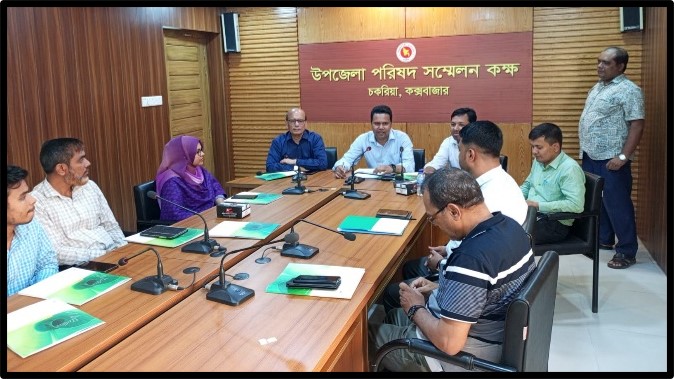 Bangladesh continues to be among the world’s most vulnerable to climate, with the country suffering such devastating effects as progressively more common floods, cyclones, droughts, riverbank erosion, and storm surges. Such impacts are more severe for women, children, persons with disabilities and other marginalized communities as they are already facing social and economic inequalities. In response to these issues, since 2018, UN Women and the United Nations Environment Program (UNEP), with the support from the Government of Sweden, are jointly implementing the "EmPower Phase II: Women for Climate-Resilient Societies" project.
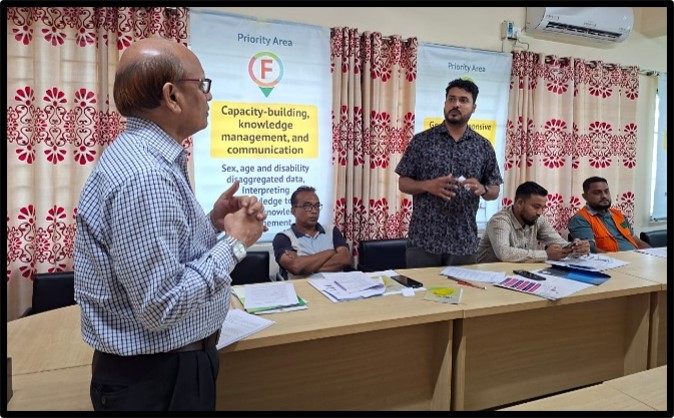 A total of 144 officials of different tiers of the government took part in the training with the active support of the respective Upazila Nirbahi Officers (UNOs). The participants now have a better knowledge on climate change, gender equality, plan of actions of each related ministry and realistic ways to work on the implementation of local climate initiative. Using a variety of interactive approaches, such as group work, discussions and action planning, participants were motivated to revise and strengthen their climate action plans.
Evaluation of the training showed strong knowledge improvement in all areas, thus attesting the success of the capacity-building methodology. They also were provided with useful resource materials for implementing the program in their offices. The campaign exposed the necessity for improved coordination between local government bodies, sustained follow-up and participatory approaches for climate policies to be catered towards the needs of women and marginalized communities. In training local leaders on both practical knowledge and planning skills, the program is bridging Bangladesh’s national climate policies and commitments to tangible action at the community level – and ultimately building a more climate-resilient and gender-responsive future.
A total of 144 officials of different tiers of the government took part in the training with the active support of the respective Upazila Nirbahi Officers (UNOs). The participants now have a better knowledge on climate change, gender equality, plan of actions of each related ministry and realistic ways to work on the implementation of local climate initiative. Using a variety of interactive approaches, such as group work, discussions and action planning, participants were motivated to revise and strengthen their climate action plans.
Evaluation of the training showed strong knowledge improvement in all areas, thus attesting the success of the capacity-building methodology. They also were provided with useful resource materials for implementing the program in their offices. The campaign exposed the necessity for improved coordination between local government bodies, sustained follow-up and participatory approaches for climate policies to be catered towards the needs of women and marginalized communities. In training local leaders on both practical knowledge and planning skills, the program is bridging Bangladesh’s national climate policies and commitments to tangible action at the community level – and ultimately building a more climate-resilient and gender-responsive future.
Editorial: Listening as a Strategic Advantage
Communication has never been more abundant, yet meaningful understanding remains surprisingly scarce. Around the world, governments, businesses, development organizations, and communities are investing heavily in communication to influence behavior, build partnerships, and strengthen public trust. Despite remarkable advances in digital technology and artificial intelligence, one reality remains unchanged: communication succeeds only when people feel heard. Increasingly, global experience demonstrates that organizations that prioritize empathetic listening are better equipped to anticipate challenges, respond to public concerns, and build lasting relationships. For communication professionals, listening is no longer simply an interpersonal skill; it is a strategic capability. Effective strategies are not built solely on creative messages, sophisticated campaigns, or advanced technologies. They are built on insight, and insight begins with listening. Whether the objective is improving public health, promoting education, addressing climate change, encouraging civic participation, or strengthening organizational performance, understanding the audience must always precede influencing the audience. This lesson is particularly relevant for Bangladesh. The country is undergoing rapid social, economic, and digital transformation. Citizens today have greater access to information, stronger expectations of transparency, and more opportunities to express their views through both traditional and digital platforms. At the same time, misinformation, information overload, and declining public trust present growing communication challenges. In this evolving landscape, one-way communication is increasingly inadequate. Sustainable change requires continuous dialogue in which listening is valued as much as speaking. Strategic communication in Bangladesh has made significant progress by embracing community engagement, social and behavior change approaches, participatory planning, and evidence-based decision-making. Across government institutions, development partners, civil society organizations, and the private sector, communication is gradually shifting from message dissemination toward meaningful engagement. This transition recognizes that communities are not passive recipients of information; they are partners whose experiences, perspectives, and local knowledge strengthen both policy and practice. Empathetic listening also improves the quality of communication decisions. Audience research, stakeholder consultations, feedback mechanisms, social listening, community dialogues, and formative assessments all provide intelligence that helps communication professionals design interventions that are relevant, culturally appropriate, and responsive to people's needs. When organizations listen carefully, they are better positioned to identify emerging issues, address misconceptions, adapt strategies, and demonstrate accountability. In contrast, communication that overlooks audience perspectives often fails to achieve lasting impact, regardless of how well-crafted the message may be. The same principle applies within organizations. Leaders who listen cultivate trust, encourage innovation, and create environments where diverse ideas can flourish. Teams perform more effectively when members feel respected and included in decision-making. In development programs, listening strengthens partnerships with communities and increases local ownership of interventions. In public institutions, it enhances citizen confidence by demonstrating responsiveness and transparency. Listening, therefore, is not merely courteous behavior; it is an investment in stronger institutions and more effective governance. The feature article in this issue explores effective listening at the individual level and provides practical guidance for becoming a better communicator. Its message extends beyond personal conversations. Every successful communication strategy begins with understanding the people it seeks to engage with. Before designing campaigns, developing messages, or selecting communication channels, professionals must first ask an essential question: Have we truly listened? As Bangladesh continues its journey toward inclusive and sustainable development, communication professionals have an opportunity to redefine success. The most influential communicators will not necessarily be those who speak loudly or communicate the most frequently. They will be those who listen with purpose, learn with humility, and respond with empathy. In strategic communication, listening is not the first step because it comes before speaking; it is the first step because it shapes everything that follows.
ICT and innovation

Stop taking health advice from AI-generated social media videos
A cartoon garlic clove aggressively scrubbing toxins off of blood vessels. A bright yellow turmeric root polishing the liver. Spinach being dragged across the colon like a sponge wiping everything clean. read more...

Google might offer 5 GB storage to new Gmail accounts: report
According to a recent report by Android Authority, some newly created Gmail accounts were being offered only 5 GB of free cloud storage instead of the standard 15 GB historically provided across Google services including Gmail, Google Drive and Google Photos. read more...

Ford brings back human employees after AI disappoints
Ford has hired back more than 300 veteran quality inspectors after finding that artificial intelligence tools deployed across its manufacturing plants failed to match the skills and experience of human workers, according to a recent report by Bloomberg. read more...

Greece to ban social media for under-15s from next year
Greece has announced plans to ban access to social media for under-15s, becoming the latest European country to restrict children's exposure to online platforms. Prime Minister Kyriakos Mitsotakis said the move was aimed at tackling rising anxiety and sleep problems among young people read more...

‘Hour of AI’ campaign launched in secondary schools nationwide
A month-long campaign titled “Hour of AI in Bangladesh–2026” has been launched in all secondary schools of the country to equip the students with coding and programming skills and help to build a knowledge-based, innovative Bangladesh. The campaign, which began here yesterday, will continue until May 26. read more...

Govt. targets 90pc 5G coverage to boost jobs, freelancing
The government has unveiled a comprehensive telecommunications scheme, targeting 90 percent 5G coverage and broadband speeds of 100 Mbps to accelerate job creation, expand freelancing and outsourcing opportunities and raise the Information and Communication Technology (ICT) sector's contribution to the economy. read more...
Scoop News: International Publications

Smart city push: Can urban economies grow beyond Dhaka?
Dhaka, the heart of Bangladesh, has long been burdened by excessive population density. The capital concentrates nearly everything at once — administration, education, business, healthcare and many other essential services. Alongside this concentration, Dhaka has also had to endure chronic traffic congestion, housing shortages and, most seriously, environmental pollution. This raises a fundamental question: can Dhaka be decentralised? Can the capital be freed from this persistent disorder? More importantly, can Bangladesh build a new urban economy outside Dhaka? read more...

After USAID left: How Surjer Hashi learned to survive without donors
In November 2023, the end of funding from the United States Agency for International Development (USAID) put NGOs in Bangladesh to a tough test. Surjer Hashi Network, one of the country's largest private primary healthcare providers, was among those expected to shut down. However, it reinvented itself. read more...
/environment-climate-change-and-health-(ech)/35990.tmb-1920v.jpg?sfvrsn=39b3ecbe_1)
WHO launches advocacy, communications and partnerships plan on the health response to climate change, air pollution and energy poverty
The World Health Organization (WHO) today publishes its advocacy, communications and partnerships plan “WHO at the heart of the health response to climate change, air pollution and energy poverty (2025–2028), translating the mandate set by Member States at the Seventy-eighth World Health Assembly into a coordinated programme of action to position health at the center of global climate, clean air and energy agendas. read more...

How to Safely Lower Your Body Temperature In Extreme Heat
With summer in full swing, much of the world is already contending with record-breaking temperatures. Many of Asia's largest cities saw above-normal temperatures at the end of last month—which was the world’s second hottest May on record. Record-breaking temperatures have been seen in countries across western Europe this week. France experienced its hottest day in recorded history, and Spain and the United Kingdom also broke heat records of their own. A heat dome is building over parts of the U.S., with parts of the Mid-Atlantic including Washington D.C., expected to face temperatures as high as 95°F next week. read more...

WHO expands Health Inequality Monitoring Network, doubling global membership
The World Health Organization (WHO) has expanded its Health Inequality Monitoring (HIM) Network, doubling membership from 12 to 24 institutions across all regions. The expansion marks a significant step in strengthening global capacity to monitor health inequities and support countries in advancing health equity and universal health coverage. Launched by WHO in June 2025, the HIM Network brings together leading academic institutions, national statistical agencies and public health organizations to strengthen health inequality monitoring worldwide. The addition of new members broadens the Network’s geographic reach and technical expertise, enhancing its ability to support countries in identifying populations being left behind and developing evidence-informed policies and interventions. read more...

BCCP PROMOTIONAL VIDEO

